INTERNATIONAL COASTAL CLEAN-UP CY 2026
Clean Seas for Resilient Communities
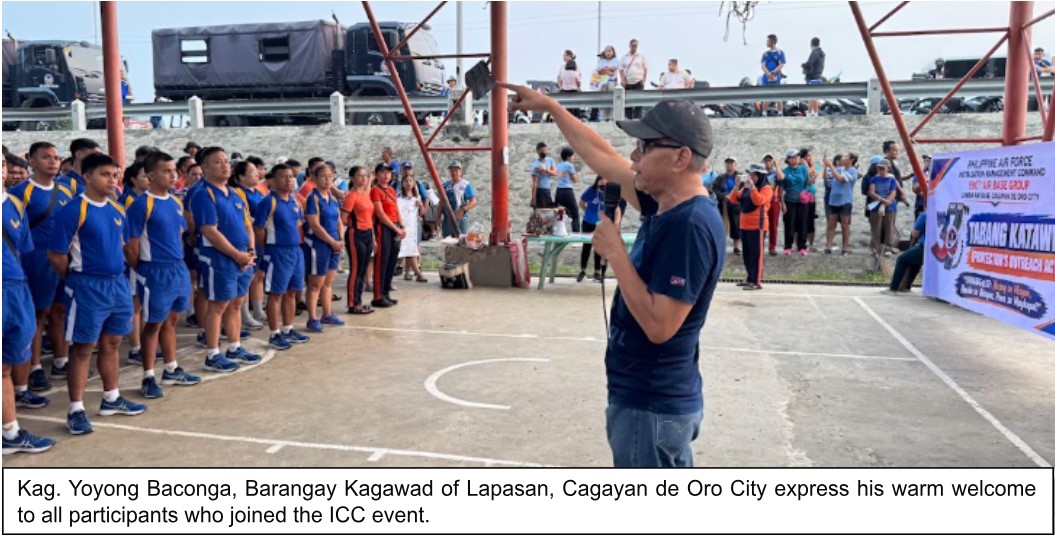
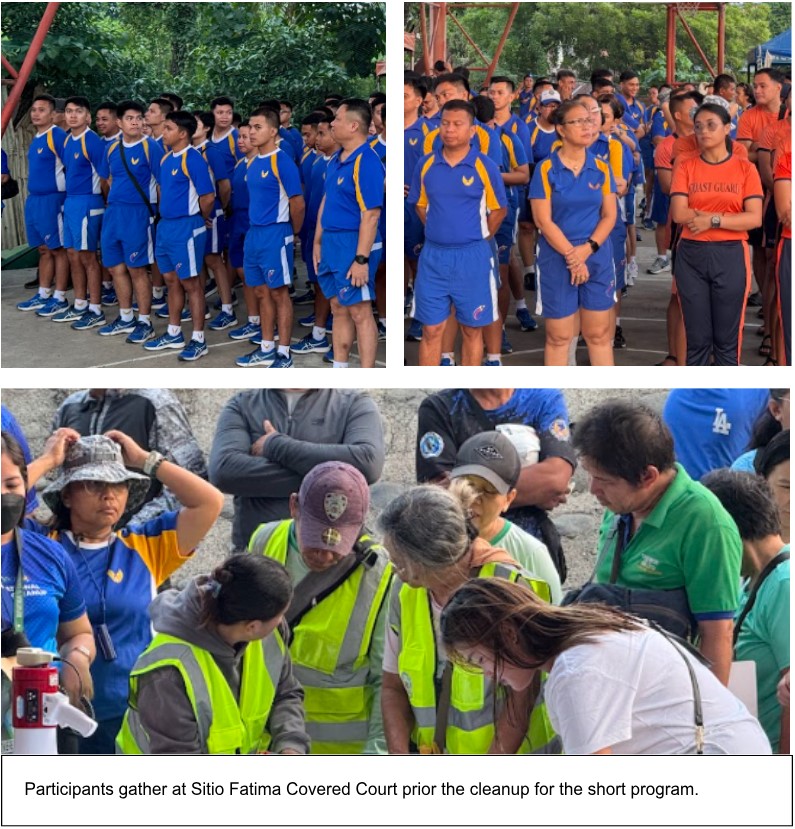
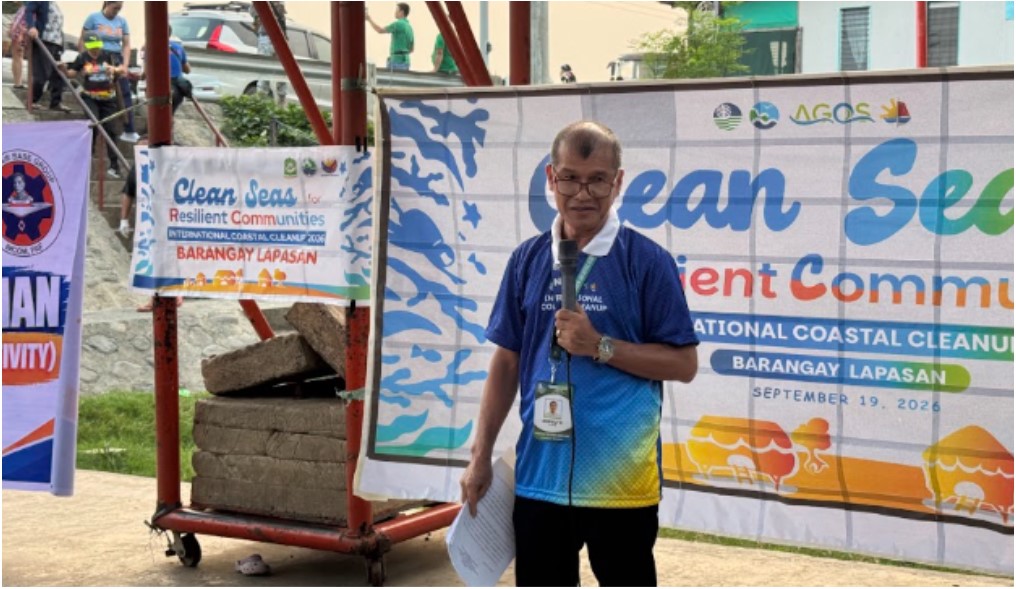
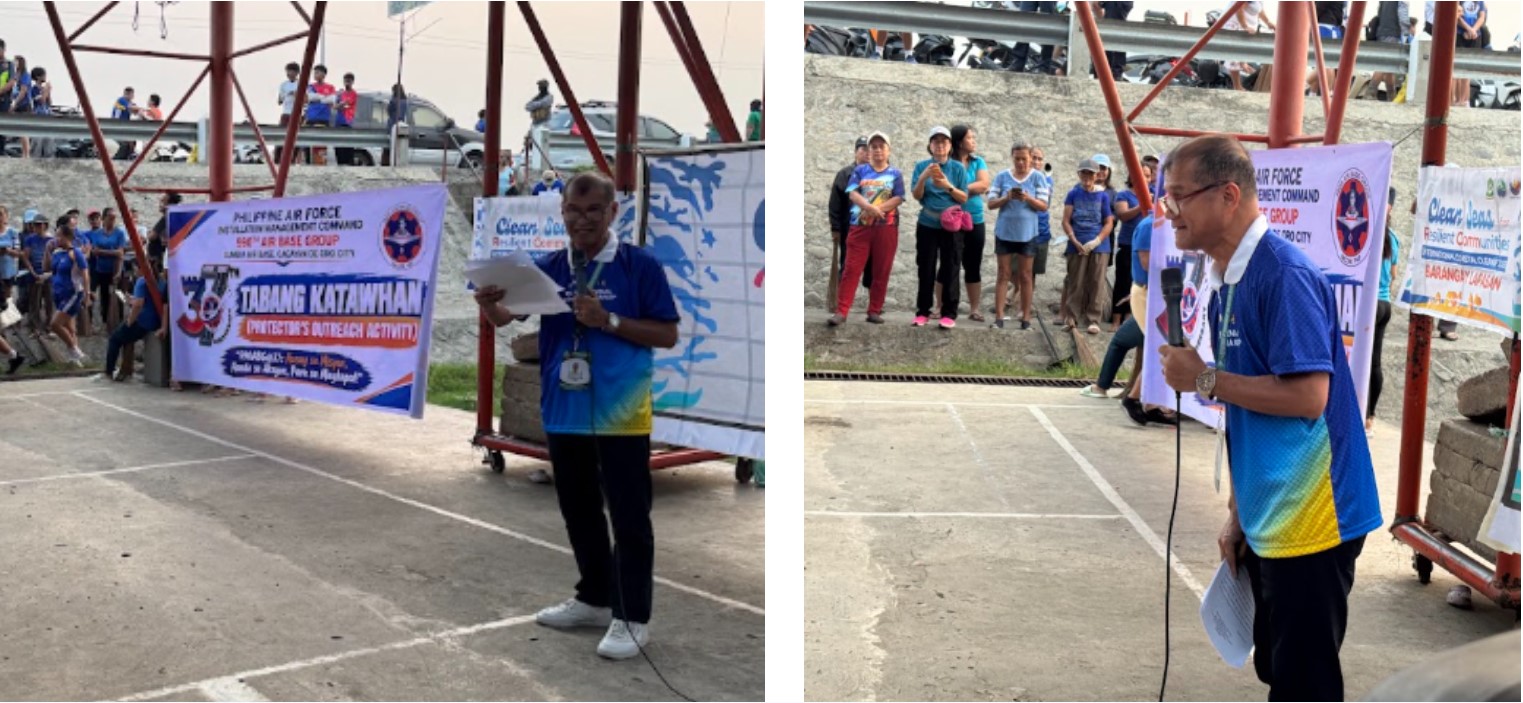
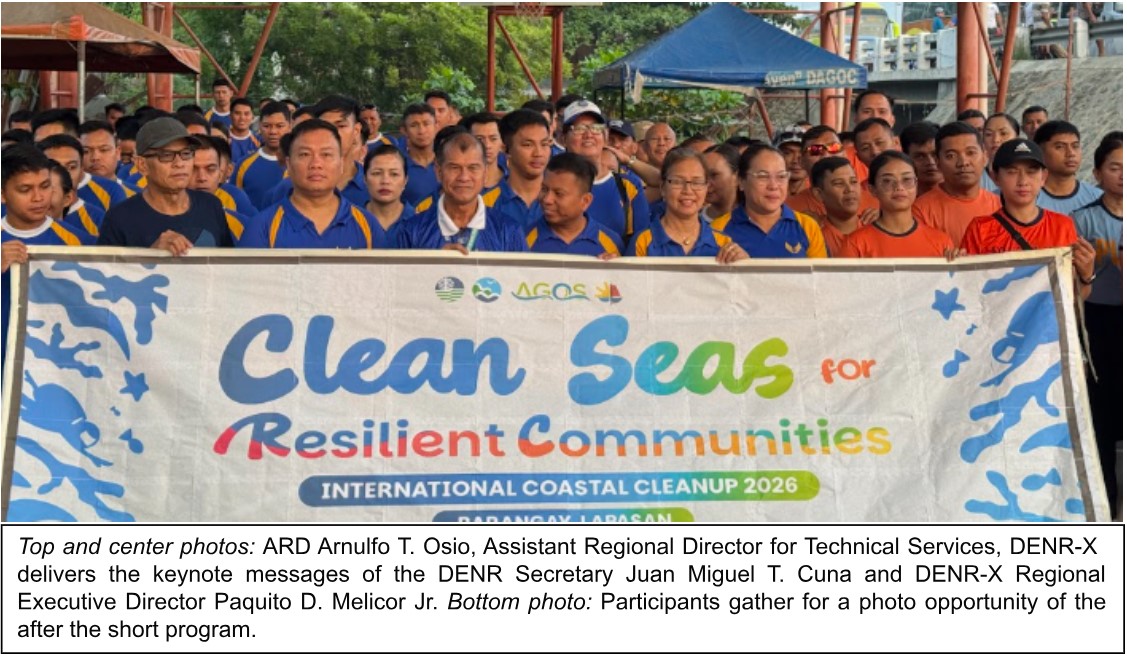
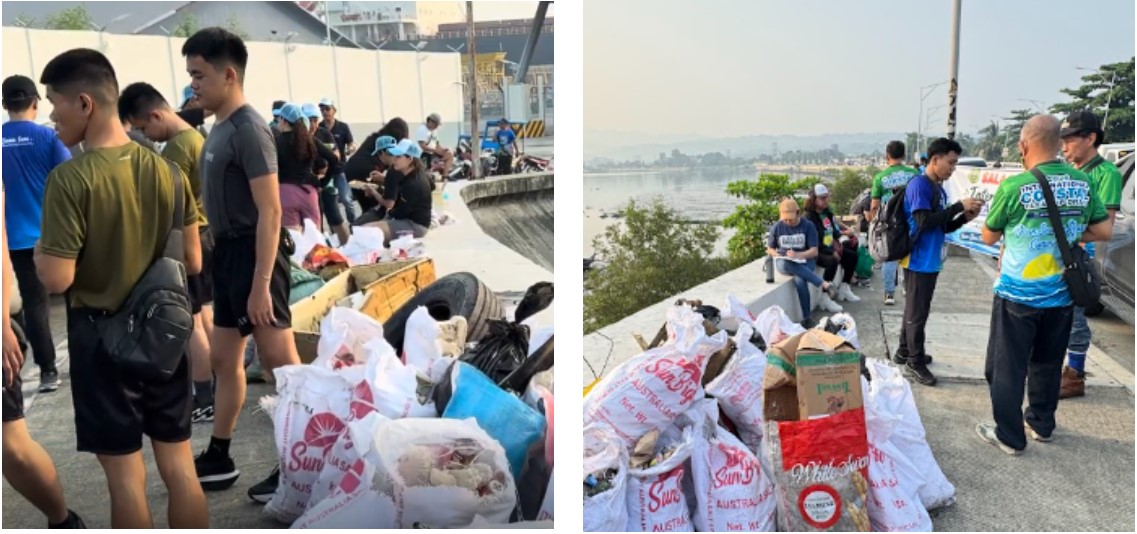
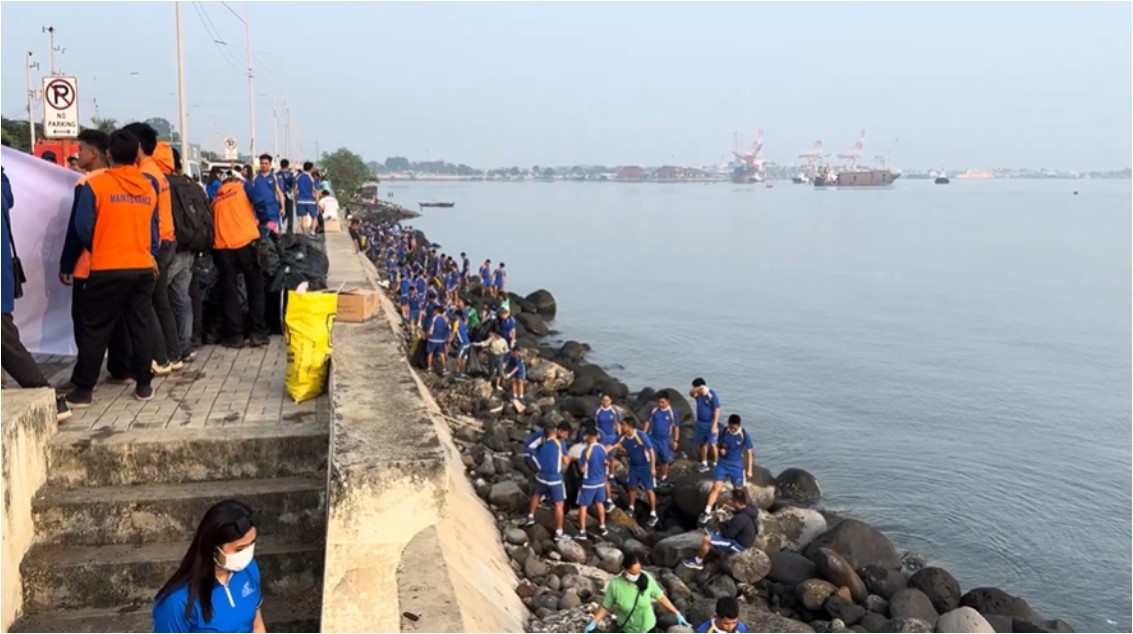
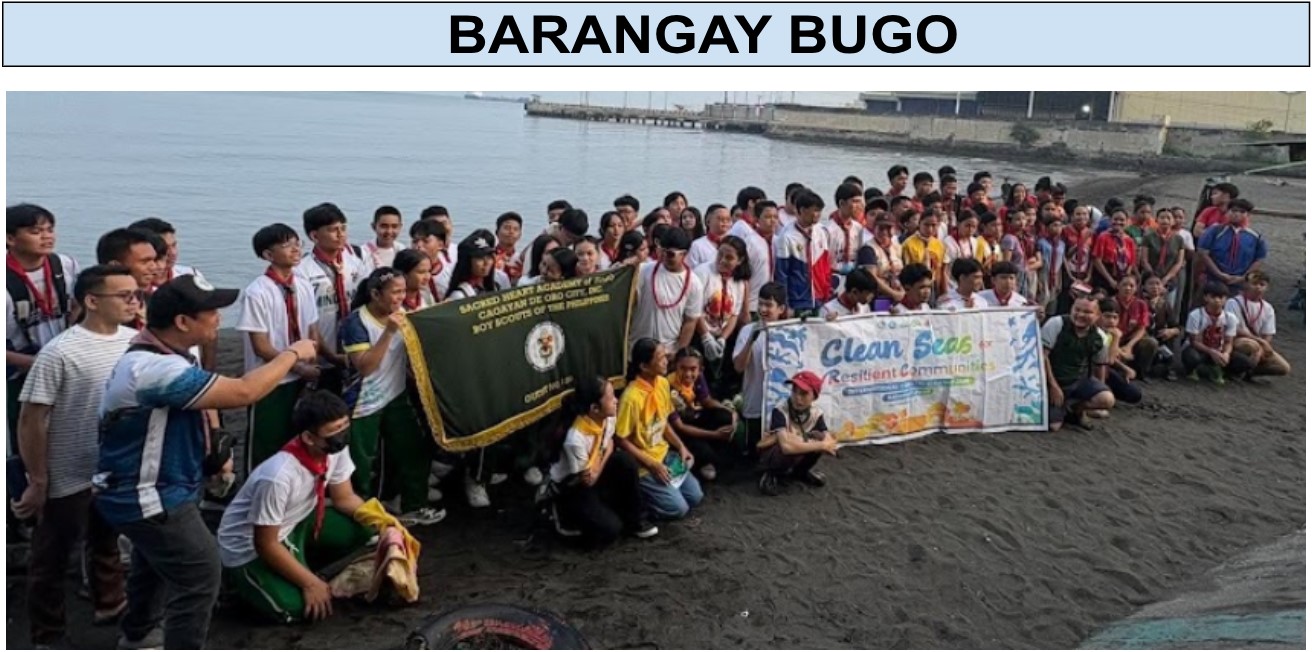
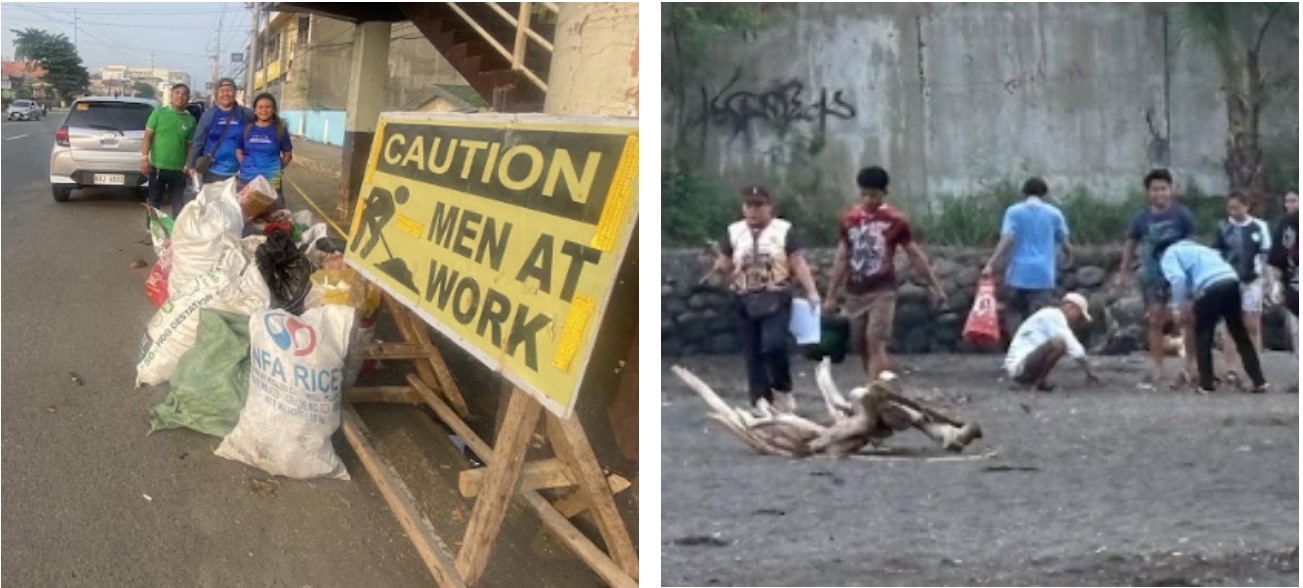
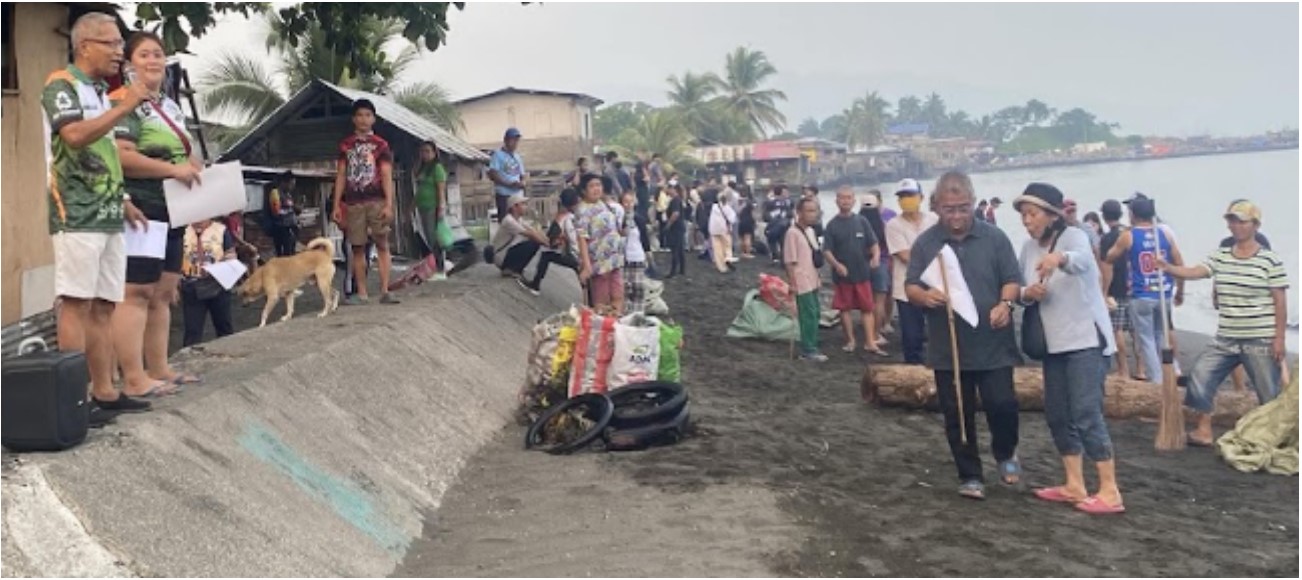
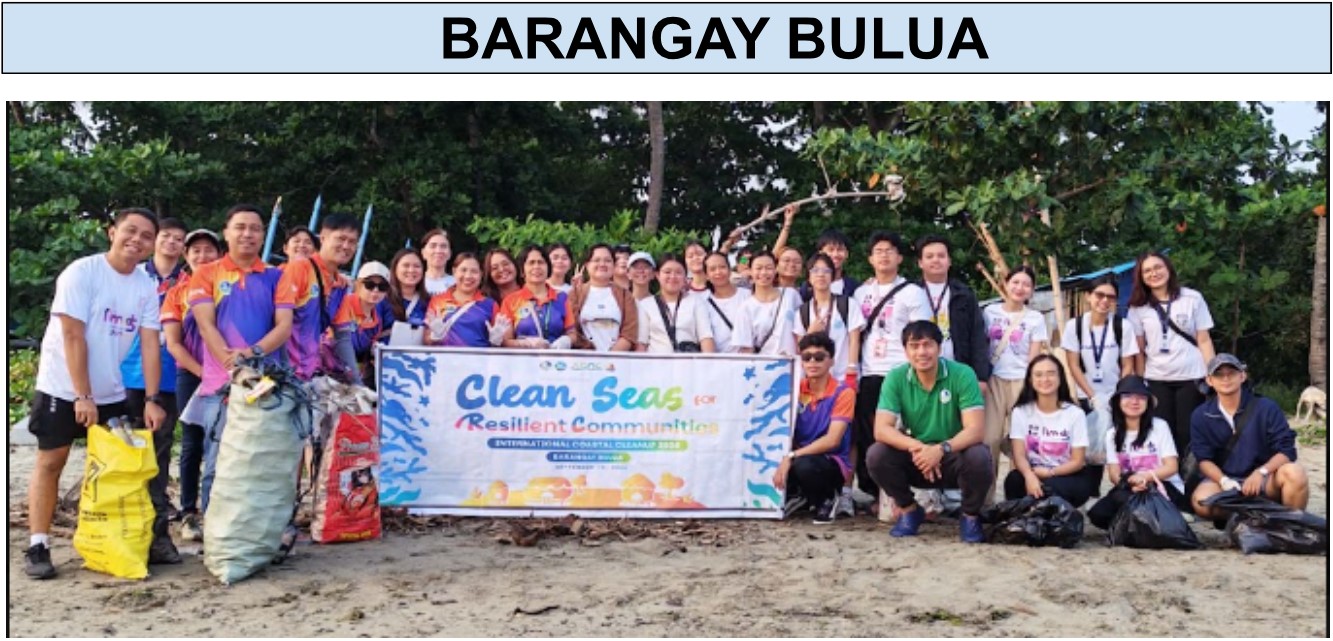
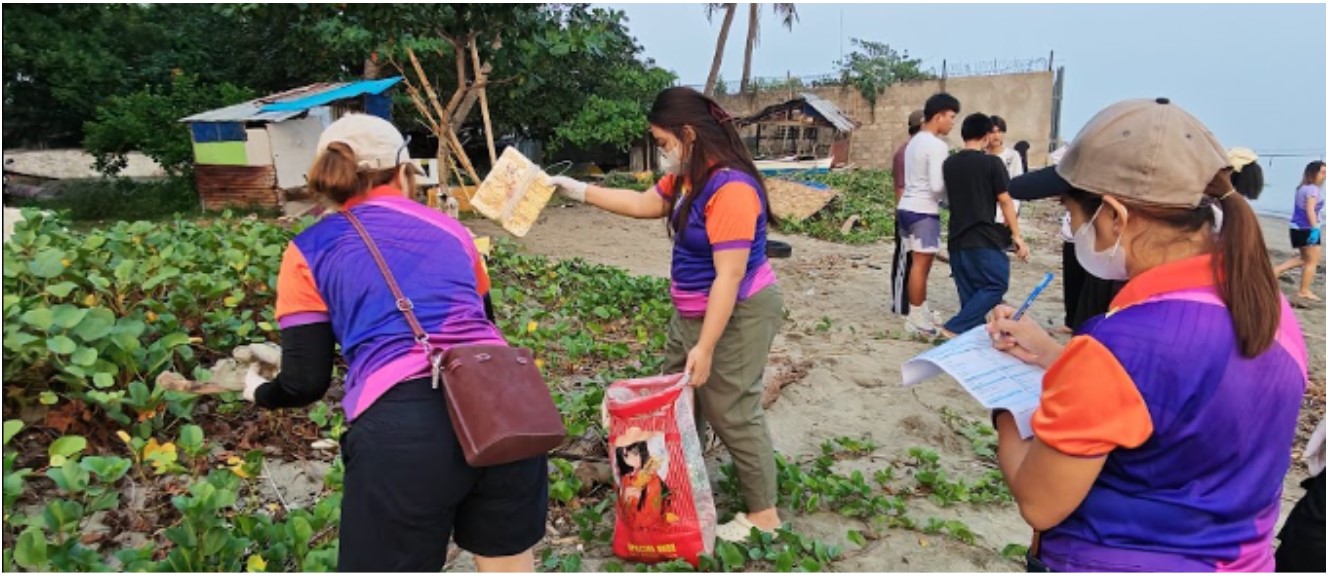
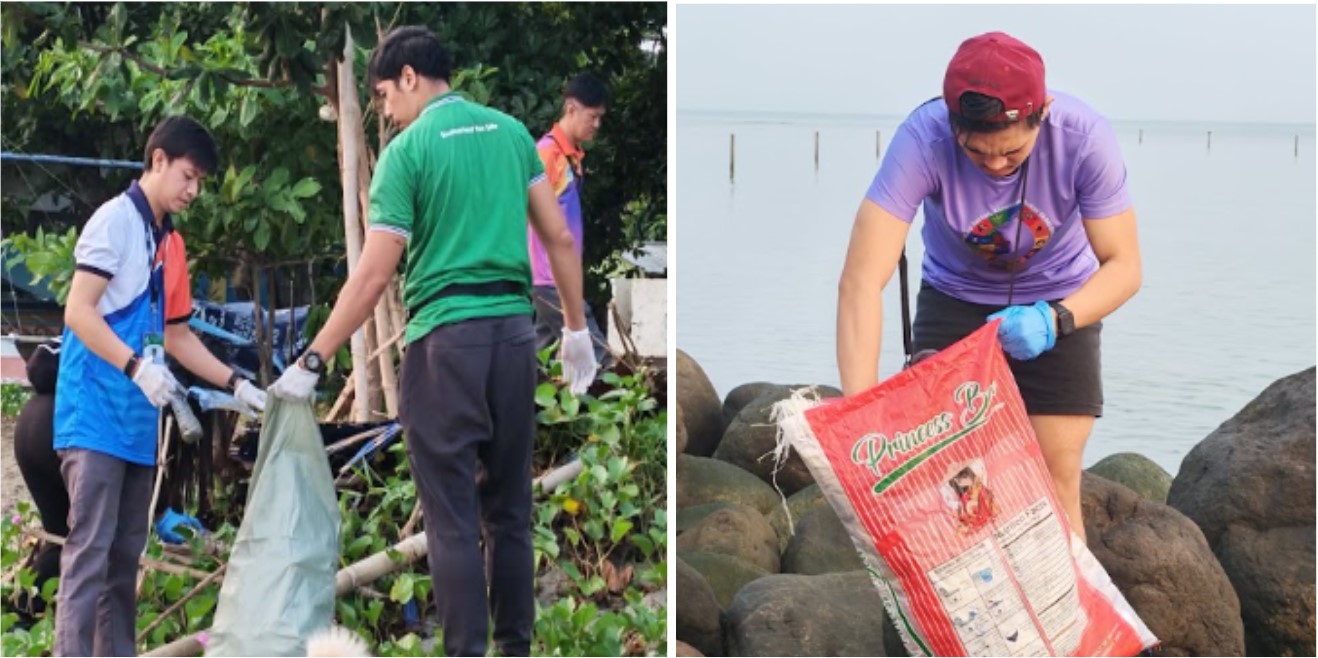
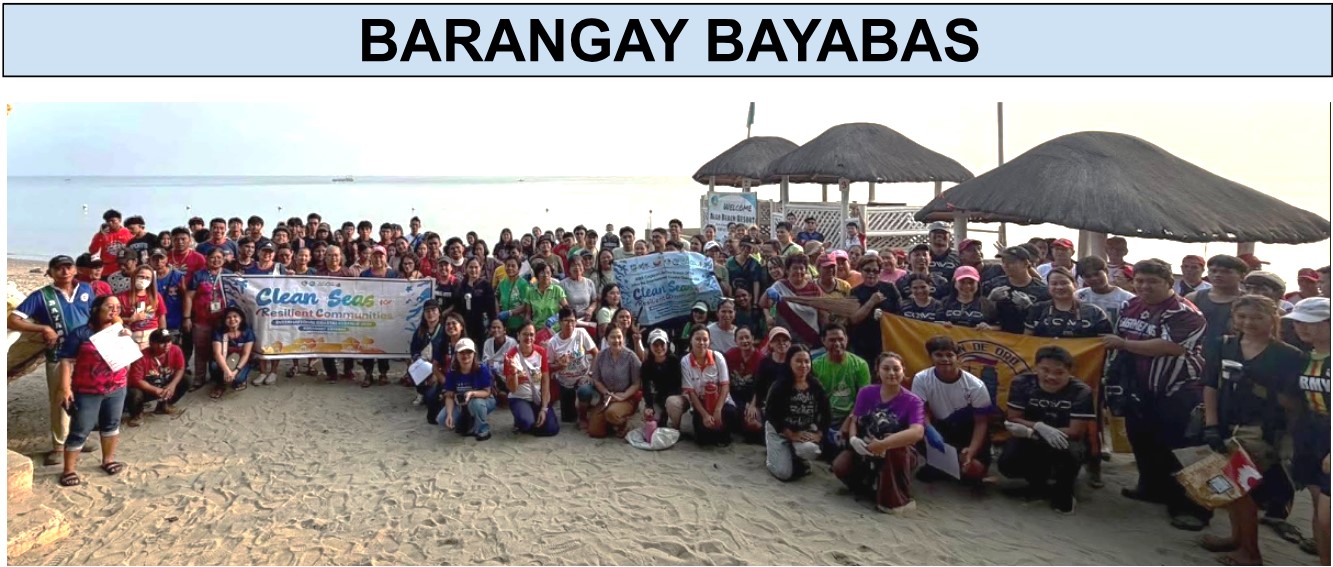
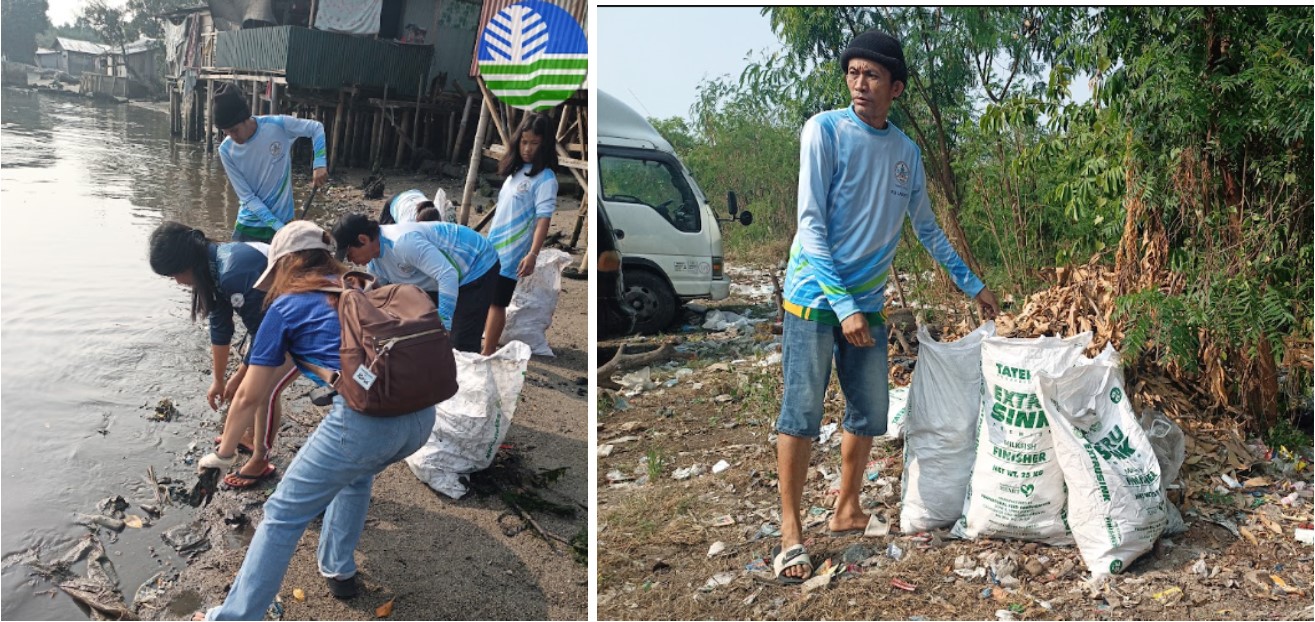
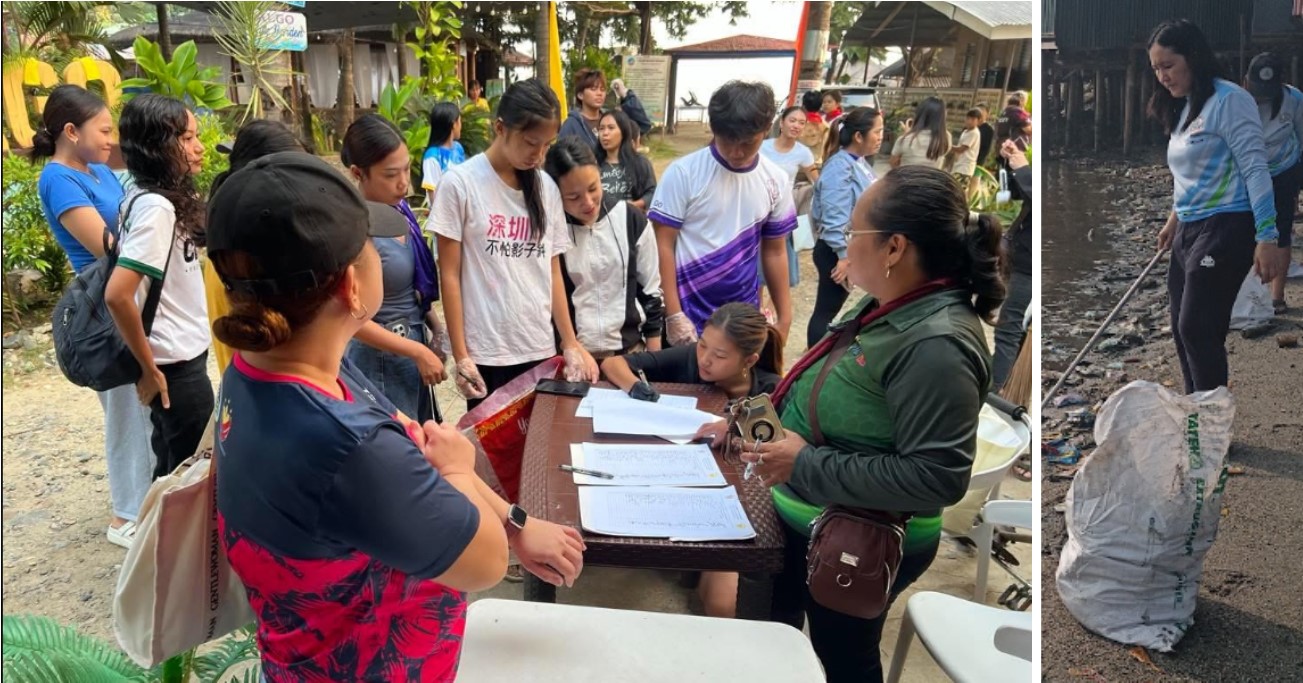
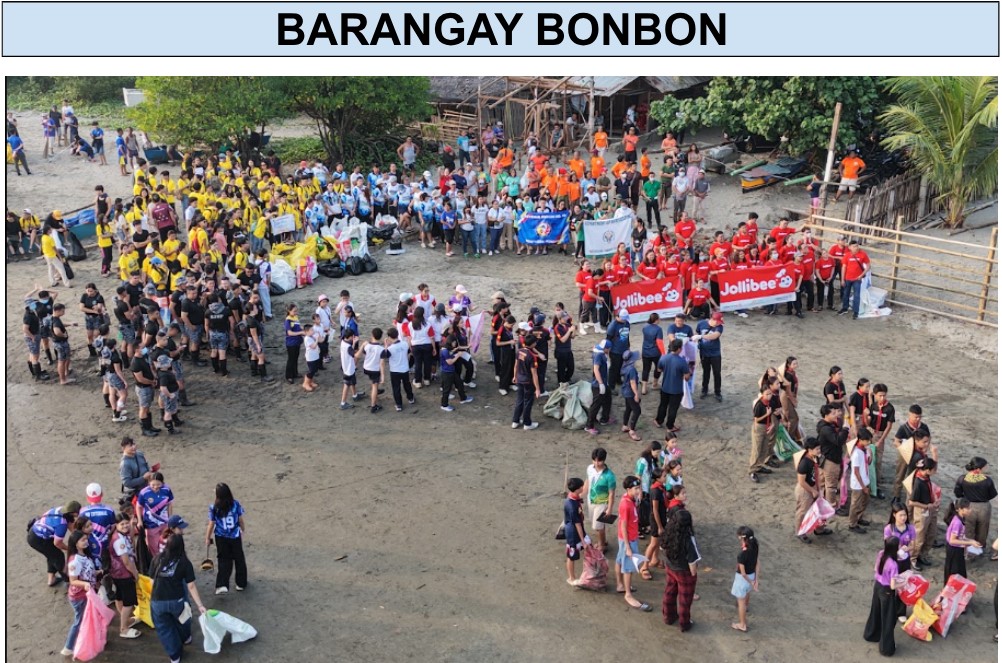
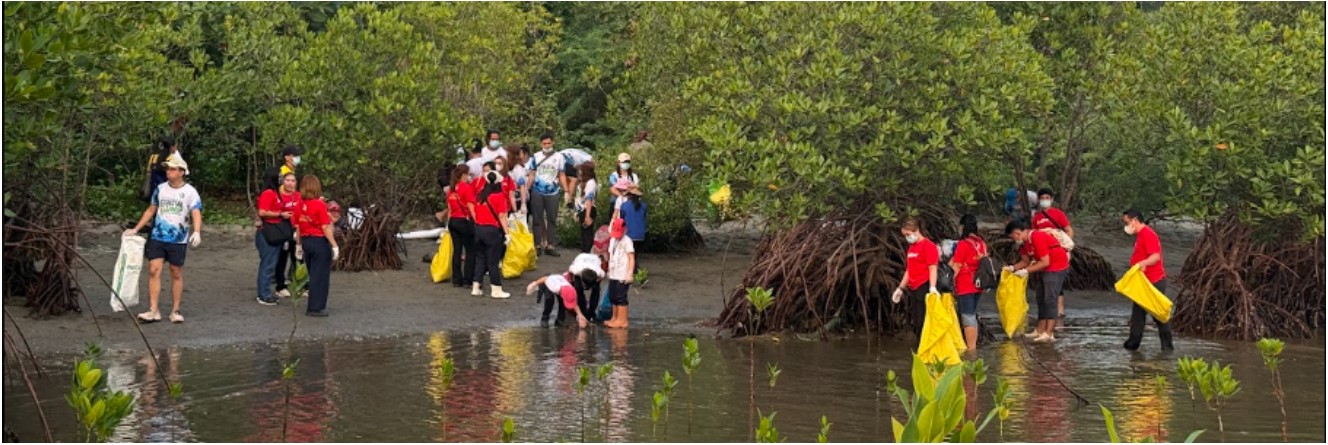
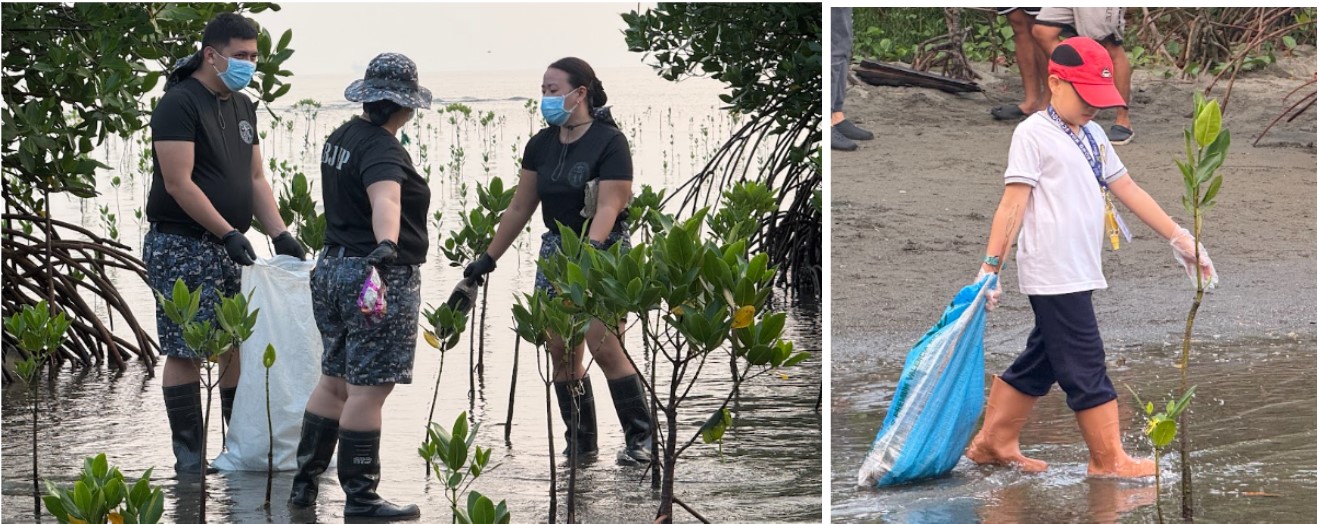
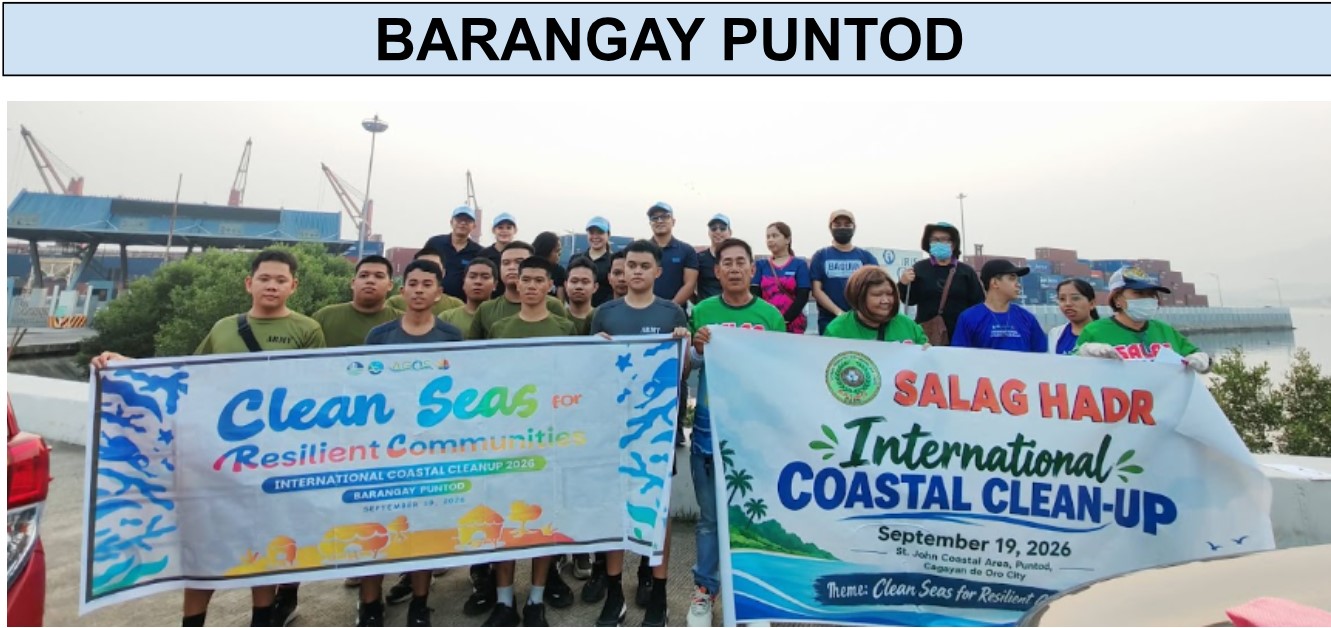
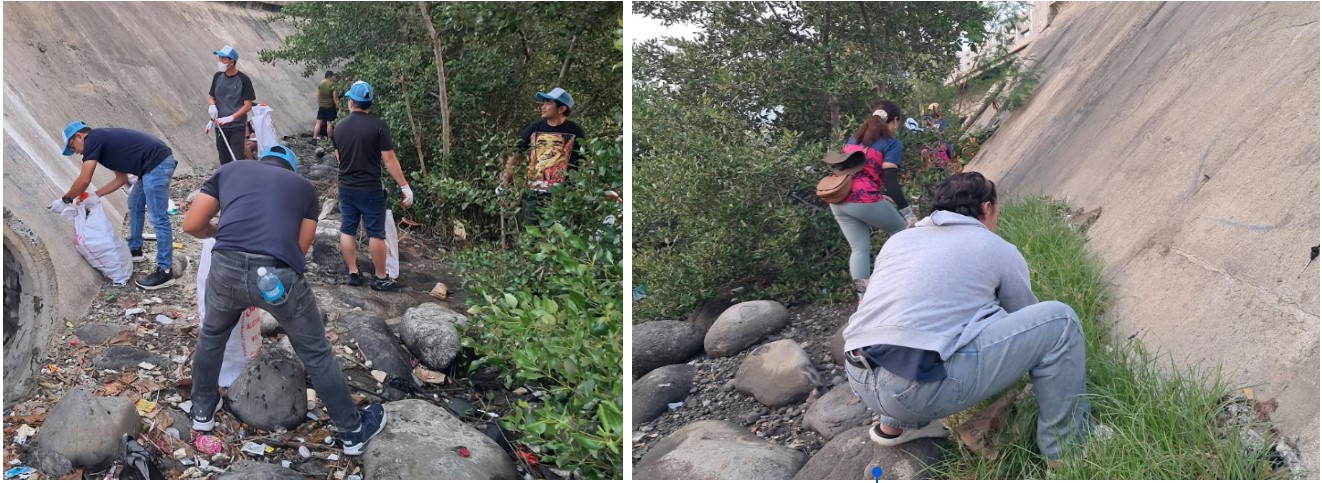
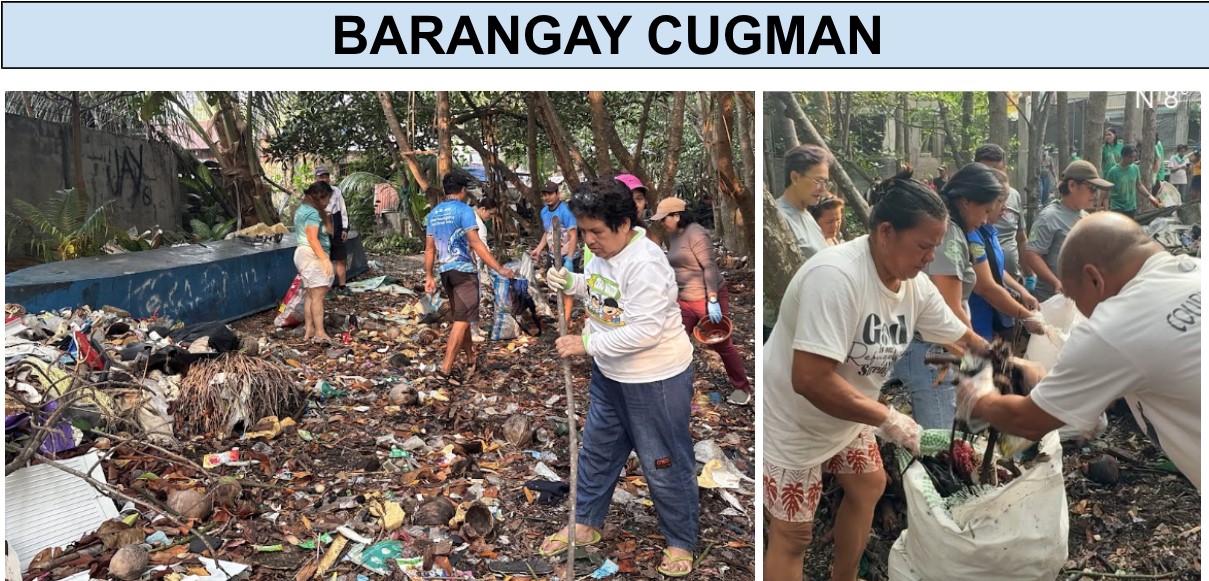
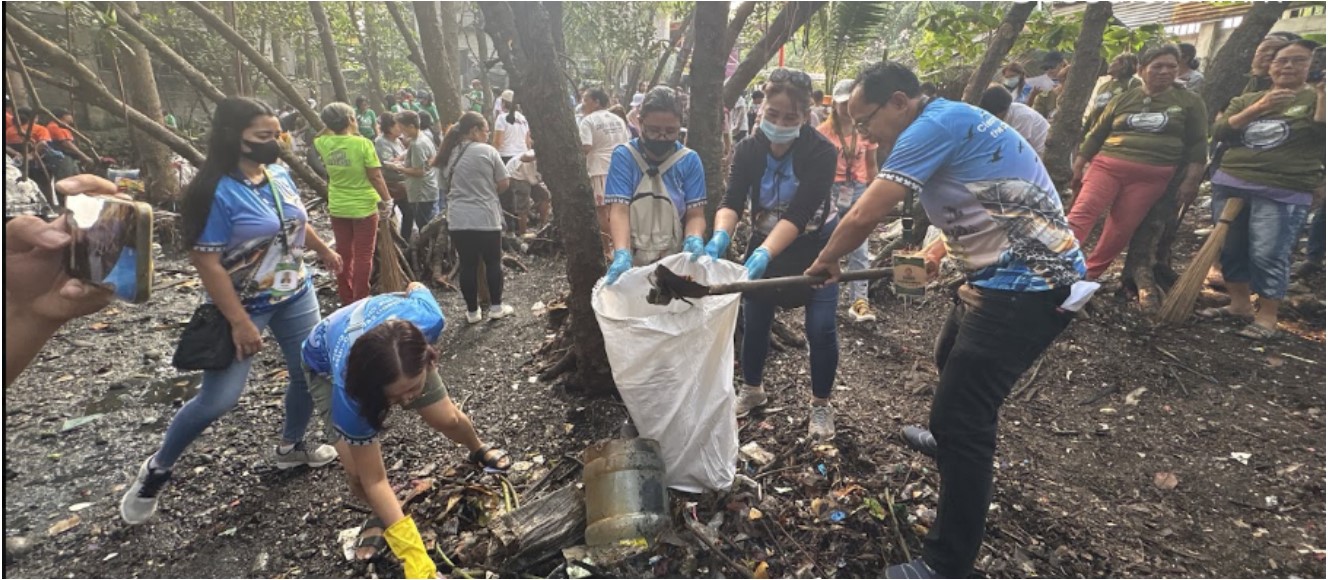
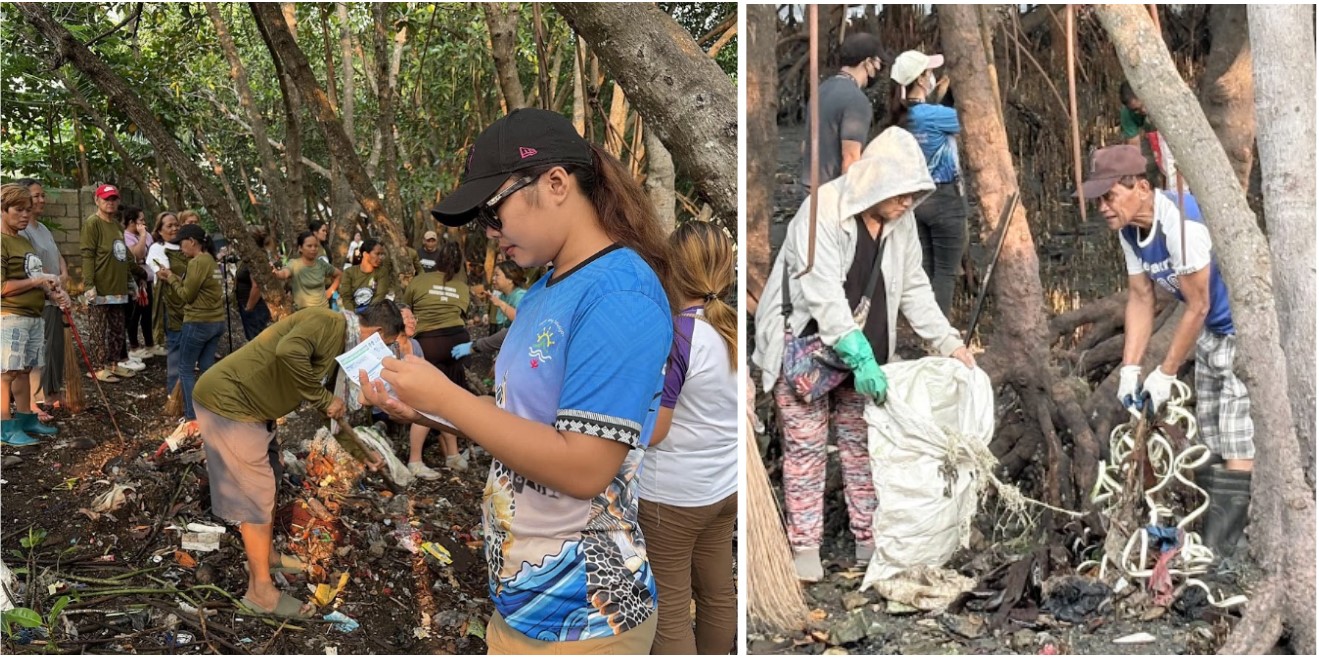
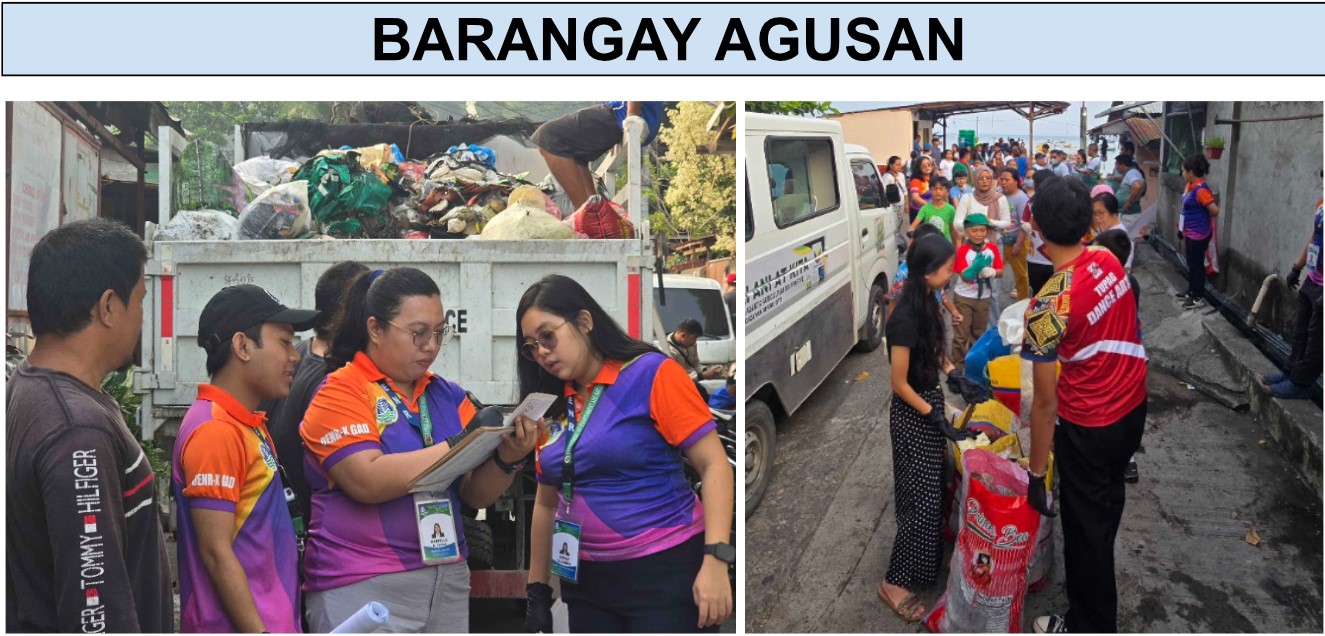
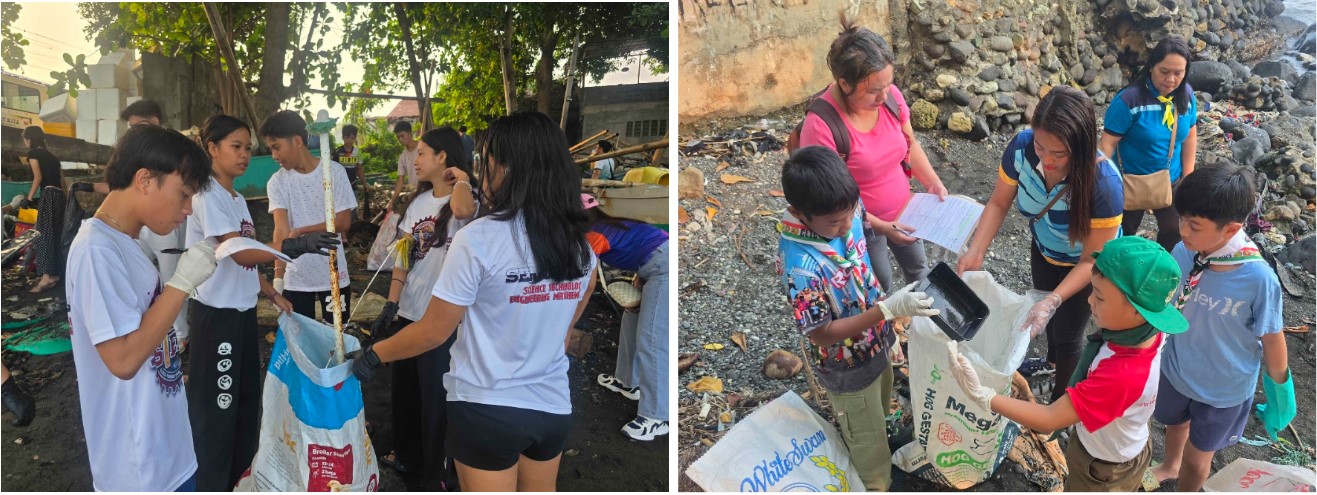
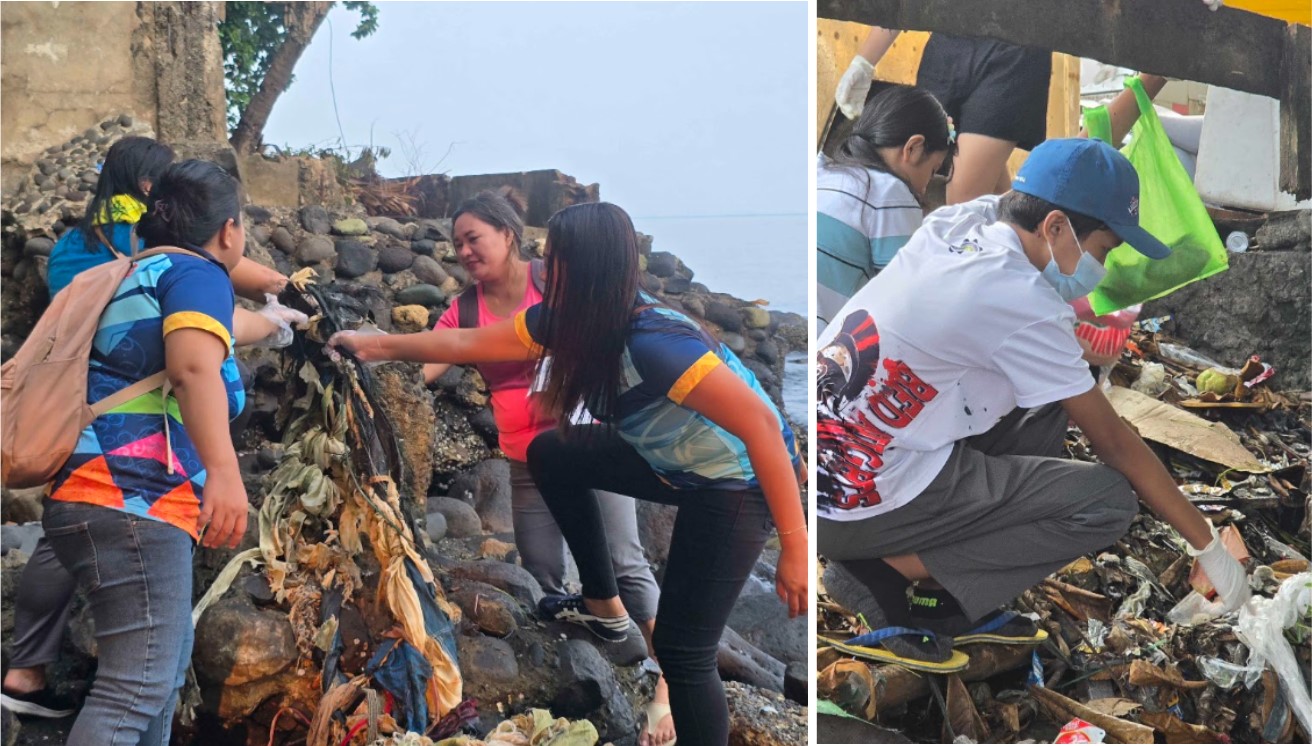
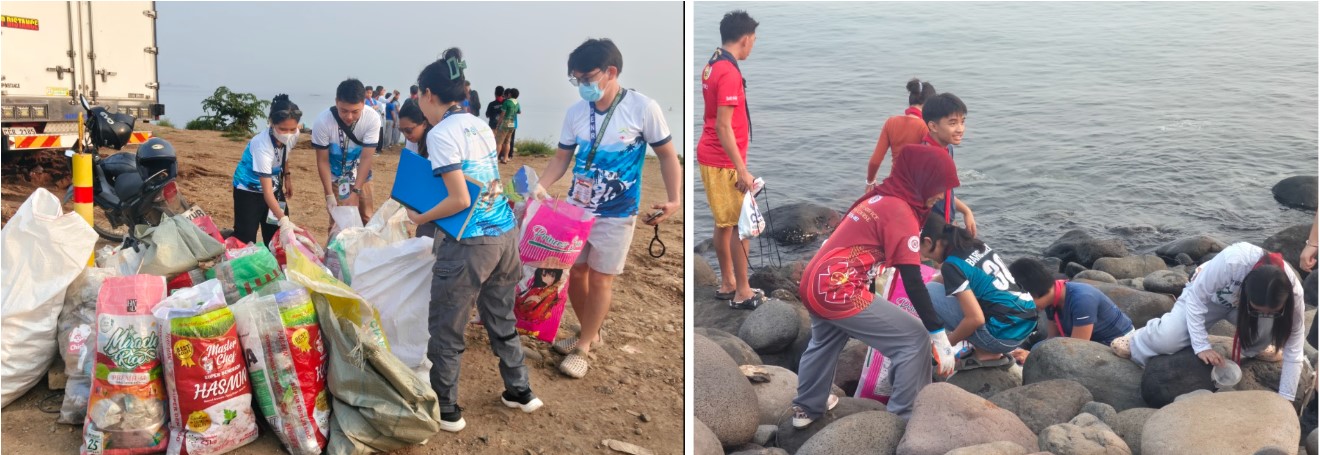
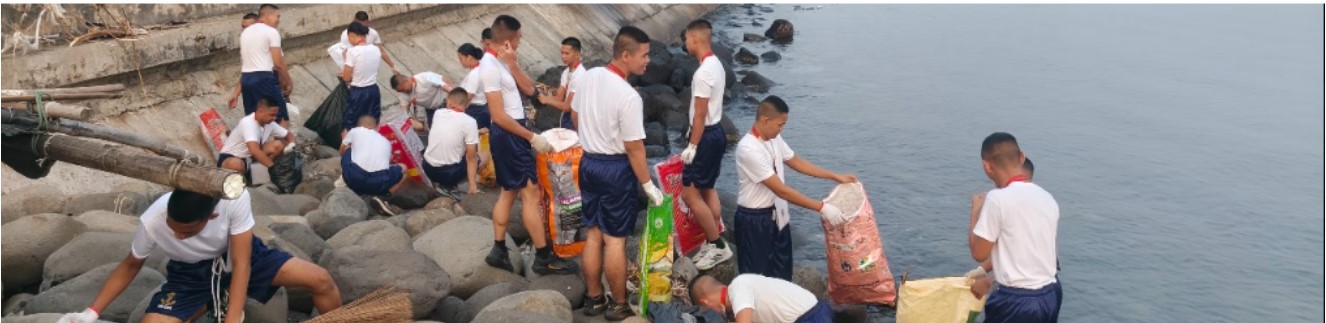
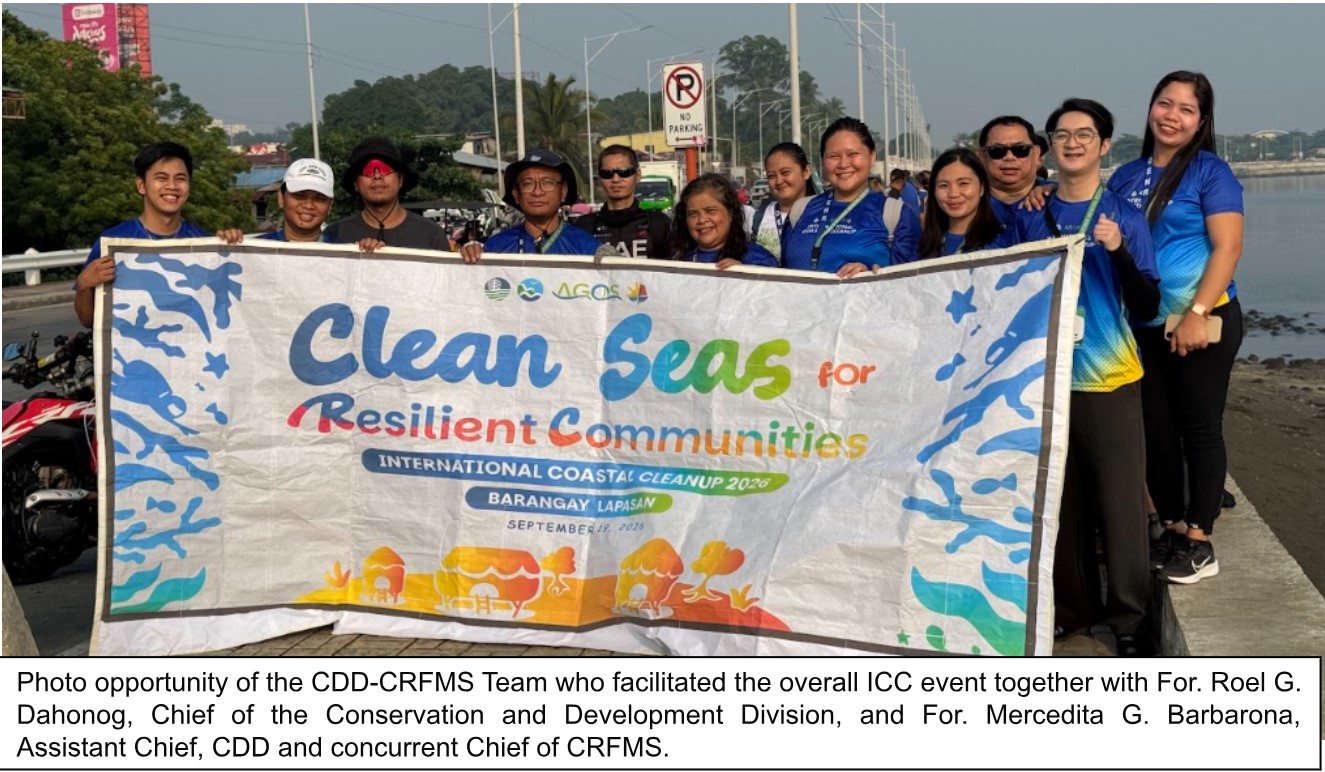
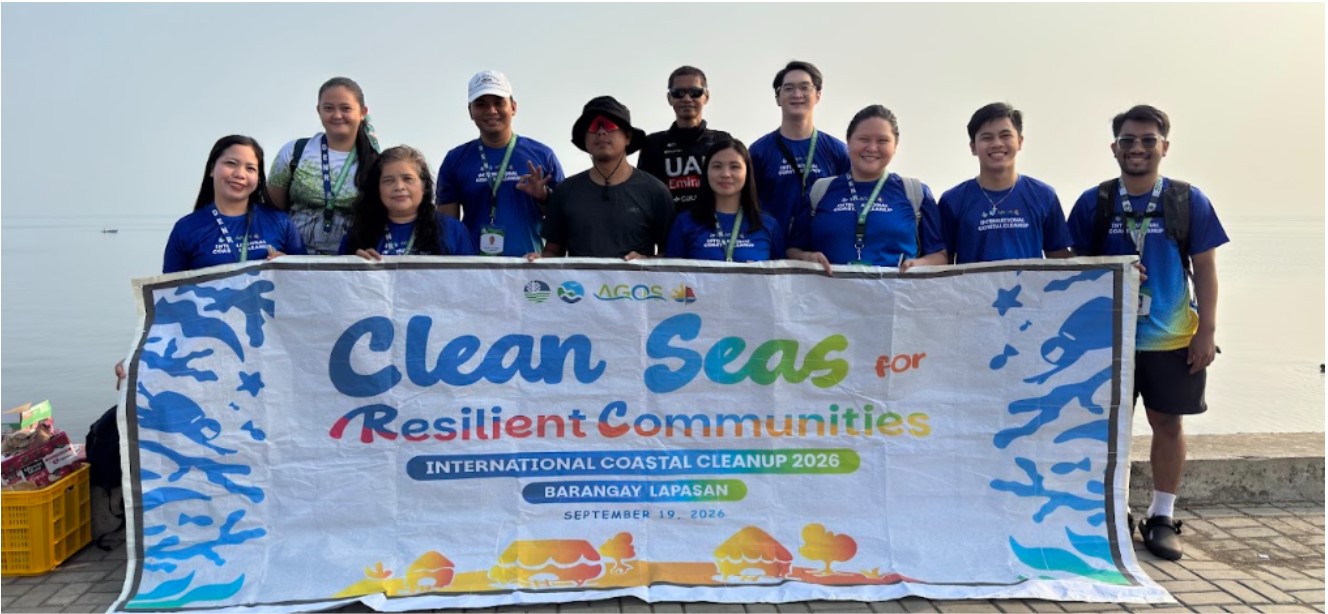
CAGAYAN DE ORO CITY — A total of 2,987 volunteers participated in the Simultaneous Coastal Cleanup conducted on September 19, 2026, along the shorelines of the city’s 12 coastal barangays: Bugo, Puerto, Agusan, Tablon, Cugman, Gusa, Lapasan, Macabalan, Puntod, Bonbon, Bayabas, and Bulua.
The activity brought together representatives from Local Government Units (LGUs), National Government Agencies (NGAs), civic and non-governmental organizations, private corporations, academic institutions, religious organizations, local communities, youth groups, and other volunteers in a collective effort to address coastal pollution and promote environmental stewardship.
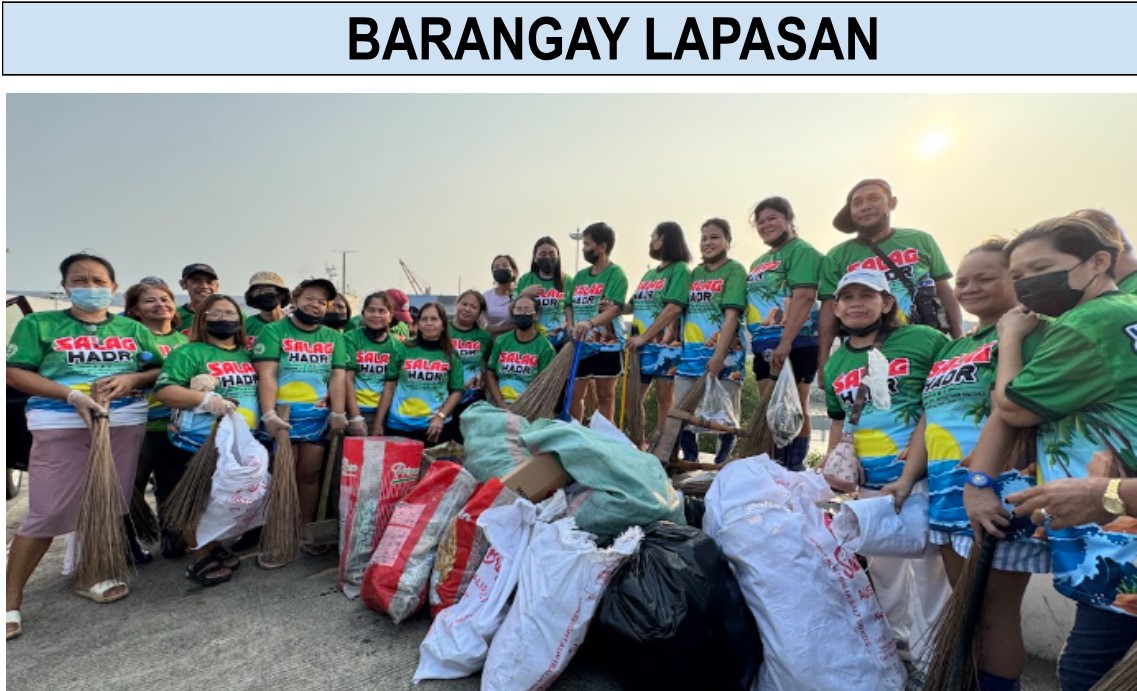
Barangay Lapasan recorded the highest volunteer turnout, accounting for 26.9% of the total participants, followed by Barangay Macabalan at 10.4% and Barangay Bugo at 8.5%.
In terms of demographics, female volunteers comprised 53% of the participants, while male volunteers accounted for 43% and LGBTQIA+ participants represented 4%. Adult participation reached 52%, while youth accounted for 43% of the total volunteers. This reflects a shift from the previous year, when youth represented 61% of the participants.
Plastic Waste Dominates Collected Debris
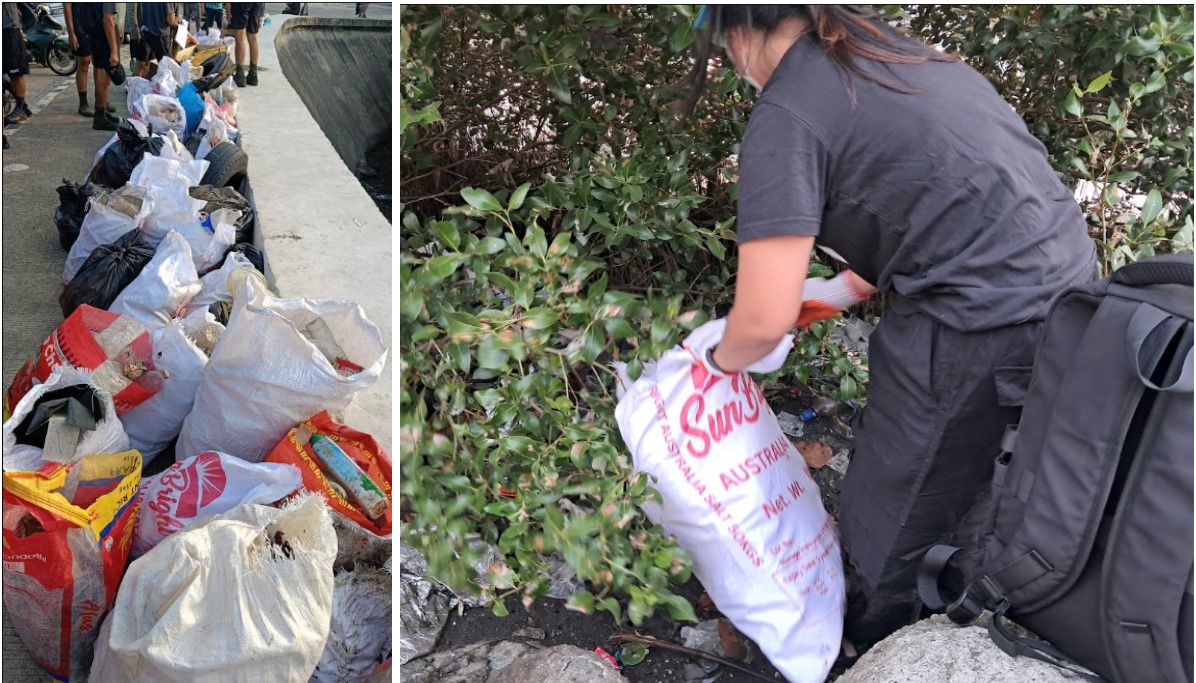
The cleanup activity resulted in substantial solid waste recovery across the 12 coastal barangays. Barangay Lapasan accounted for 67% of the total weight of waste collected from all cleanup sites, highlighting the need for sustained waste management and pollution prevention efforts in coastal communities.
Waste composition analysis further revealed the prevalence of single-use packaging and disposable products. The five most commonly retrieved items were food wrappers, plastic beverage bottles, plastic grocery bags, plastic bottles and containers, and single-use plastic cups and plates.
The predominance of plastic waste underscores the continuing challenge of plastic pollution along urban coastlines and the importance of responsible waste disposal, waste reduction, and community participation in environmental protection initiatives.
Strengthening Collective Action for Coastal Protection
The Simultaneous Coastal Cleanup demonstrated the importance of collaboration among government agencies, organizations, institutions, and local communities in protecting coastal and marine ecosystems. The findings also highlight the need to strengthen public awareness and encourage practical measures to reduce single-use plastics at the source.
Through sustained community engagement and coordinated environmental management efforts, coastal cleanup initiatives can contribute to cleaner shorelines and greater awareness of the shared responsibility to protect Cagayan de Oro City’s coastal resources for future generations.
 |
 |
 |
 |
 |
 |
 |
 |
 |
 |
 |
 |
 |
 |
 |
 |
 |
 |
 |
 |
 |
 |
 |
 |
 |
 |
 |
 |
 |
 |
 |
 |
 |
 |